 ultimate-guide
General Liability Insurance for California Contractors: 2026 Guide
Table of Contents
- What General Liability Insurance Covers for Contractors
- Is General Liability Insurance Required in California?
- Understanding Contractor License Bond Requirements
- Certificate of Insurance for Contractors: What You Need
- Workers Compensation for Contractors: Coverage and Compliance
- Factors That Affect Your Insurance Premiums
- How to File a Claim and What to Expect
- Getting Your General Liability Insurance Quote
- Frequently Asked Questions
Last Updated: September 28, 2026
What General Liability Insurance Covers for Contractors
General liability insurance for California contractors is a foundational coverage that protects your business from third-party claims for bodily injury, property damage, and personal advertising injury. This type of coverage pays for legal defense costs and settlements if someone is injured on your job site or if your work damages someone's property.
For contractors, this protection is essential. A single incident, a worker accidentally damaging a client's fence, a visitor slipping on your work site, or your equipment causing injury, can result in claims that exceed tens of thousands of dollars. General liability insurance absorbs these costs so your business assets remain protected.
The coverage typically includes:
- Bodily injury claims: Medical expenses and lost wages if someone is hurt due to your operations
- Property damage liability: Costs to repair or replace damaged property caused by your work
- Legal defense: Attorney fees and court costs, even if the claim is frivolous
- Personal and advertising injury: Protection against defamation or copyright infringement claims
At Paluso & Associates Insurance Services, a proud partner of Orr & Associates Insurance Services, we help contractors understand exactly what their policy covers so there are no surprises when a claim arises. The specifics depend on your policy limits and endorsements, which is why reviewing your coverage annually is critical.
Is General Liability Insurance Required in California?
General liability insurance is not mandated by state law for all contractors in California. However, the requirement depends on your license classification and the type of work you perform. The Contractors State License Board (CSLB) does not require general liability insurance as a blanket rule, but many individual cities, counties, and municipalities impose their own requirements.
More importantly, most clients, particularly commercial property owners and general contractors, will not hire you without proof of insurance. When a general contractor bids out work, they typically require all subcontractors to carry general liability coverage with the general contractor listed as an additional insured. This is a contractual requirement, not a legal one, but it functions as a de facto mandate in the market.
If you work on public projects or government contracts, insurance requirements are often explicit in the bid documents. Private commercial clients frequently make it a condition of the contract as well. Residential clients may be more flexible, but many still request proof of coverage before allowing work to begin.
Understanding Contractor License Bond Requirements
A contractor license bond is separate from general liability insurance, though the two are often confused. The bond is required by the CSLB for all licensed contractors in California and serves as a guarantee that you will comply with contractor laws and regulations.
The bond protects the consumer, not your business. If you fail to complete work as agreed, violate contractor laws, or cause financial harm through negligence, the bond provides recourse. The bond amount varies by license classification.
Your contractor license bond is a one-time requirement to maintain your CSLB license. General liability insurance, by contrast, is an ongoing annual or multi-year policy that protects you from third-party claims. Many contractors carry both because they serve different purposes:
- License bond: Protects the consumer and ensures compliance with contractor regulations
- General liability insurance: Protects your business from lawsuits and claims
When shopping for contractor insurance, clarify with your agent whether you need both. Most insurance agencies that work with contractors can help you secure both the bond and the general liability policy in a simplified process.
Certificate of Insurance for Contractors: What You Need
A certificate of insurance is a one-page document that proves you have active coverage. It lists your policy number, coverage limits, policy dates, and the insurance company's contact information. Clients request this document before work begins.
The certificate serves as proof that you're insured and typically includes an additional insured endorsement, which extends coverage to your client for claims arising from your work. When a general contractor adds you as an additional insured on your certificate, they gain some protection if your work causes injury or damage.
To obtain a certificate of insurance, contact your insurance agent or log into your policy portal. Most insurers can generate and email a certificate within minutes. You should request a new certificate each time you renew your policy or if your coverage limits change.
Key details on a certificate of insurance:
- Your business name and policy number
- Coverage types (general liability, workers compensation, etc.)
- Coverage limits and deductibles
- Policy effective and expiration dates
- Additional insured endorsements (if applicable)
- Insurance company contact information
Many contractors keep a folder of certificates ready to send to clients. Having this document readily available demonstrates professionalism and speeds up the hiring process.
Workers Compensation for Contractors: Coverage and Compliance
Workers compensation insurance protects your employees if they are injured or become ill due to work. In California, this coverage is mandatory if you have employees (DWC employer information). Even if you're a sole proprietor, carrying workers comp establishes that you're a legitimate business and may be required by clients or lenders.
The coverage pays for:
- Medical treatment and hospitalization
- Temporary and permanent disability benefits
- Vocational rehabilitation
- Death benefits to the employee's family
Factors That Affect Your Insurance Premiums
Your general liability insurance premium depends on several variables. Understanding these factors helps you manage costs and make informed decisions about your coverage.
How to File a Claim and What to Expect
Here's what the claims process typically looks like:
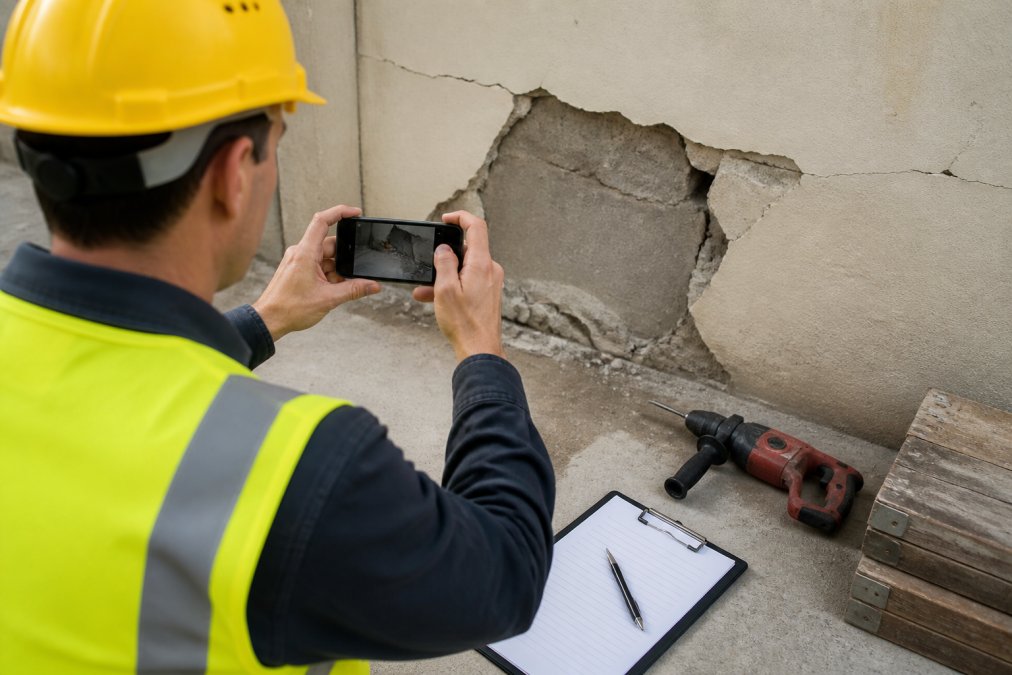
Step 1: Report the incident immediately. Contact your insurance agent or the claims department directly. Provide basic information: what happened, when it happened, who was involved, and any injuries or damage. Document everything with photos, videos, and written notes.
Getting Your General Liability Insurance Quote
Obtaining a quote for general liability insurance for California contractors is straightforward. Most insurers can provide estimates if you have basic information ready.
To get an accurate quote, prepare:
- Your business name, location, and years in business
- CSLB license number and classification
- Projected annual revenue
- Number of employees
- Types of work you perform
- Desired coverage limits
Frequently Asked Questions
What does general liability insurance actually cover for contractors?
General liability insurance covers bodily injury, property damage, and personal advertising injury claims caused by your business operations. If a client is injured on your job site or you accidentally damage their property, this coverage pays for their medical bills, repairs, and legal defense costs. It protects your business from third-party claims and helps cover settlement expenses. Most policies include coverage limits you select, and an aggregate limit for the policy period.
Is general liability insurance required by law in California?
General liability insurance is not mandated by state law for all contractors, but many clients require proof of insurance before hiring you. The Contractors State License Board (CSLB) does not require general liability as a condition of licensure, but specific cities, counties, and project types may have requirements. Public works projects often demand it. More importantly, most commercial clients, property owners, and construction companies won't hire you without a certificate of insurance on file.
How does a contractor license bond differ from general liability insurance?
A contractor license bond is a financial guarantee required by the CSLB as part of your license application, it protects consumers if you fail to complete work or violate contractor laws. General liability insurance protects your business from injury and property damage claims. You need both: the bond qualifies you to operate legally, while general liability protects you financially during operations. They serve different purposes and are separate purchases.
What factors influence the cost of contractor insurance?
Your premium depends on your business classification, annual revenue, payroll, claims history, years in business, coverage limits you choose, and the types of work you perform. High-risk trades (roofing, electrical) typically cost more than lower-risk work. The number of employees, whether you use subcontractors, and your loss history all play a role. Contact us for a personalized quote based on your specific operation.
Do I need workers compensation insurance if I'm an independent contractor?
If you have no employees and work solo, workers compensation is not legally required in California. However, if you hire even one employee, you must carry workers compensation insurance. Some clients also require proof of workers compensation before hiring you, even if you're solo. It's worth discussing with an insurance professional to determine what makes sense for your business structure and client requirements.
What happens if I don't maintain required insurance coverage?
Operating without required insurance exposes you to serious financial risk. If someone is injured on your job site or you damage property, you'd pay claims out of pocket, potentially thousands or tens of thousands of dollars. You could face lawsuits, wage garnishment, or liens against your business. Clients discovering you lack insurance may terminate contracts and refuse future work. In some cases, operating uninsured can result in fines or license suspension. The financial and legal consequences far outweigh the cost of maintaining coverage.
How quickly can I get a certificate of insurance once I purchase a policy?
Once your policy is issued and active, your insurance agent can provide a certificate of insurance immediately, typically within hours or the same business day. This document proves to clients that you have active coverage. You'll need to provide it before starting most jobs. At Paluso & Associates, we pride ourselves on lightning-fast responses via phone, email, or text, so you can get your certificate and move forward with your projects without delay.